Premio Luxury Car Rental in Bali – Comfortable, Elegant, and Hassle-Free
Read More

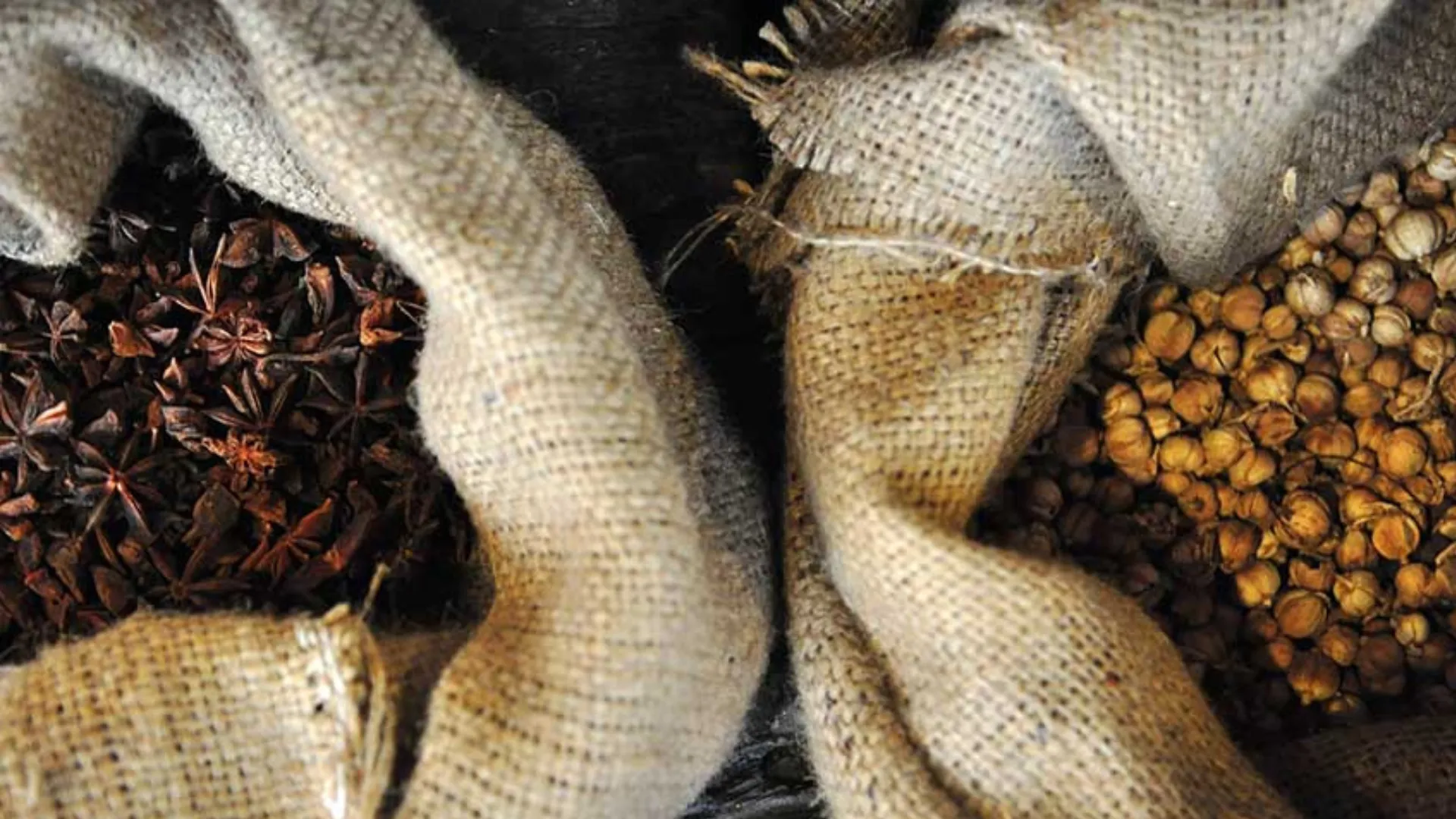
Imagine a journey that doesn’t just move you from one place to another, but transports you through time. An expedition inviting you to trace the footsteps of thousands of years past, when the world—from Arabia, India, and China to Europe—focused its gaze on a small chain of islands in eastern Indonesia. It was here that the Spice Route was born: a network of trade passages that positioned the Indonesian archipelago as the center of global economy long before the word globalization ever existed.
In this tour, participants are not only invited to enjoy the natural beauty of Maluku, but also to feel the pulse of history… a past that once drove great nations to brave dangerous seas in search of Indonesian spices. We will walk through ancient towns, sail clear turquoise waters, inhale the aroma of nutmeg that once sparked wars, and meet local communities who continue to preserve their ancestral traditions.
And of course, with Jourindo, your overland journey throughout the expedition will be comfortable, safe, and completely hassle-free…!!!
Just sit back, enjoy the breeze, and let us take you through the places that were once the world’s focal points.
1. Maluku: The Land Whose Fragrance Shook the World
Long before Europeans arrived, Maluku was known as a land that smelled like paradise. Chinese records from the 7th century mention islands producing “a fragrant fruit of great value.” Arab traders called it Jazirat al-Muluk, the Islands of Kings—birthplace of nutmeg and cloves.
Back then, spices were not merely cooking ingredients. They were gold. Even more valuable than gold, because spices were used for medicine, food preservation, perfume, and religious rituals. They could deodorize rotting meat, heal sick kings, and enrich ceremonial offerings with heavenly scent.
And the center of all this? Maluku.
Imagine standing at the old port of Ternate. The sea breeze greets your face as ancient stone forts—silent witnesses of centuries—stand guard around you. As the faint aroma of cloves drifts from nearby plantations, you begin to understand why Europeans became obsessed with these islands.
2. The Arrival of Great Nations: When Maluku Became the World’s Battleground
A. Arabs and Chinese: The Early Navigators
Arab traders had reached Maluku since the early centuries of the Common Era. They exchanged cloth, ceramics, and metal goods for nutmeg and cloves—while carefully guarding the secret sea route so Europeans would never discover it.
Chinese sailors came during the Yuan and Ming dynasties. Zheng He’s expeditions carried spices back to China while establishing diplomatic contact with local kingdoms.
Spices then flowed along the maritime trade chain:
Ternate → Malacca → Gujarat → Persian Sea → Red Sea → Europe
A global supply chain long before the modern world coined the term.
B. Europeans Arrive… and Everything Changes
By the late 15th century, Europeans lost access to spices because the trade routes were controlled by Arabs and the Ottoman Empire. The price of spices skyrocketed—hundreds of times higher than their original value.
This sparked Europe’s legendary quest:
You may have read these stories in history books, but standing in the real locations is an entirely different experience. This expedition lets you touch the forts built by Portuguese soldiers, walk through corridors once marched by VOC troops, and observe the volcanoes and straits that shaped world geopolitics.
History is no longer on the page. It rises before your eyes.
3. Ternate–Tidore: Two Brothers, Two Powers
The journey begins with two great kingdoms that controlled the spice trade for centuries: Ternate and Tidore.
A. Tolukko and Kastela Forts
These Portuguese forts served as trade centers and defensive bases. From here, visitors can witness the sweep of the sea that once saw countless merchant ships pass through. Local guides explain how the early Portuguese monopoly system worked.
B. Sultan’s Palace of Ternate
More than a historical site, it remains a living cultural center. Visitors can view the royal crown, only used in sacred ceremonies—its legendary “living feathers” symbolizing spiritual power.
C. Tidore: Ternate’s Eternal Rival
In Tidore, the tour includes:
From these high cliffs and fortresses, you can see the cluster of spice-producing islands that once made Europeans fire cannons at one another.
4. Banda: A Heavenly Archipelago Once Turned Into a Battlefield
Next, the expedition travels to Banda Neira, the true heart of global nutmeg.
If Maluku is the heart of spice, Banda is its heartbeat.
It was here that the VOC carried out the infamous 1621 massacre to monopolize the nutmeg trade—a tragedy that changed Indonesia’s history. Yet today, Banda is breathtakingly beautiful, especially for snorkeling and diving.
The educational tour in Banda includes:
Here, participants begin to feel the emotional depth of the expedition: beauty, sorrow, and the echoes of world history in every corner.
5. Spices as Indonesia’s Identity
One of the program sessions explains how spices shaped the Indonesian archipelago:
Participants learn that spice history is not merely colonial history—it is the story of Indonesia’s rise as the meeting point of civilizations.
6. Cultural Experiences: Tracing Living Traditions
This tour also invites participants to savor the cultural wealth shaped by centuries of spice trade.
A. Traditional Dances of Maluku
The fierce Cakalele dance, symbolizing the courage of ancient warriors.
B. Culinary Traditions
Each dish offers a sensory journey through the spice heritage of Maluku.
C. Spice Crafts
Visitors can create small souvenirs such as nutmeg oil, nutmeg syrup, and clove-based soaps.
7. Refreshing in Hidden Natural Paradises
To balance history with relaxation, the tour includes visits to untouched, lesser-known destinations:
This is where knowledge and happiness meet—quiet landscapes, pristine nature, and authentic local experiences.
8. The Role of Jourindo in the Expedition
Throughout the overland portion in Ternate, Tidore, Ambon, and Seram, participants enjoy Jourindo’s service:
No logistics stress—just learning, exploring, and capturing memories.
9. The Spice Route Is Indonesia, and Indonesia Is the Spice Route
The Spice Route Expedition is not just a historical tour. It is a spiritual journey—revealing how our ancestors stood in the center of global trade, how tiny islands shaped global politics, and how the Indonesian identity was forged through the fragrance of cloves and nutmeg.
As the participants board the ship on the final day and watch the sun descend behind Mount Gamalama, one message lingers:
Spices were never just the past. They are the reason Indonesia once stood at the center of the world.
And through this journey, you become part of that story.
REFERENCES
Local & Oral Sources
 3 months ago
 3 months ago
 3 months ago