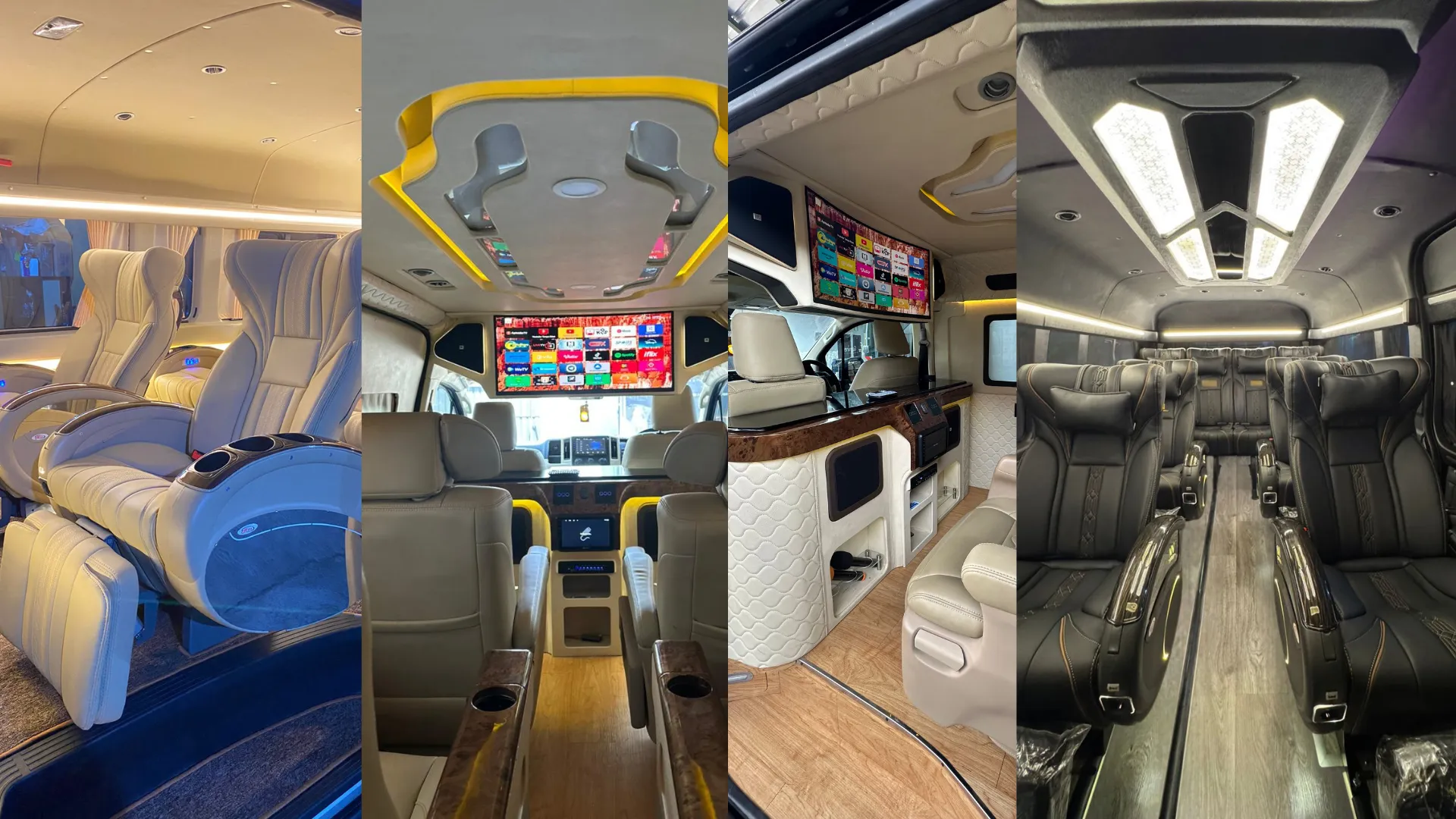
Premio Luxury Car Rental in Bali – Comfortable, Elegant, and Hassle-Free
Read More

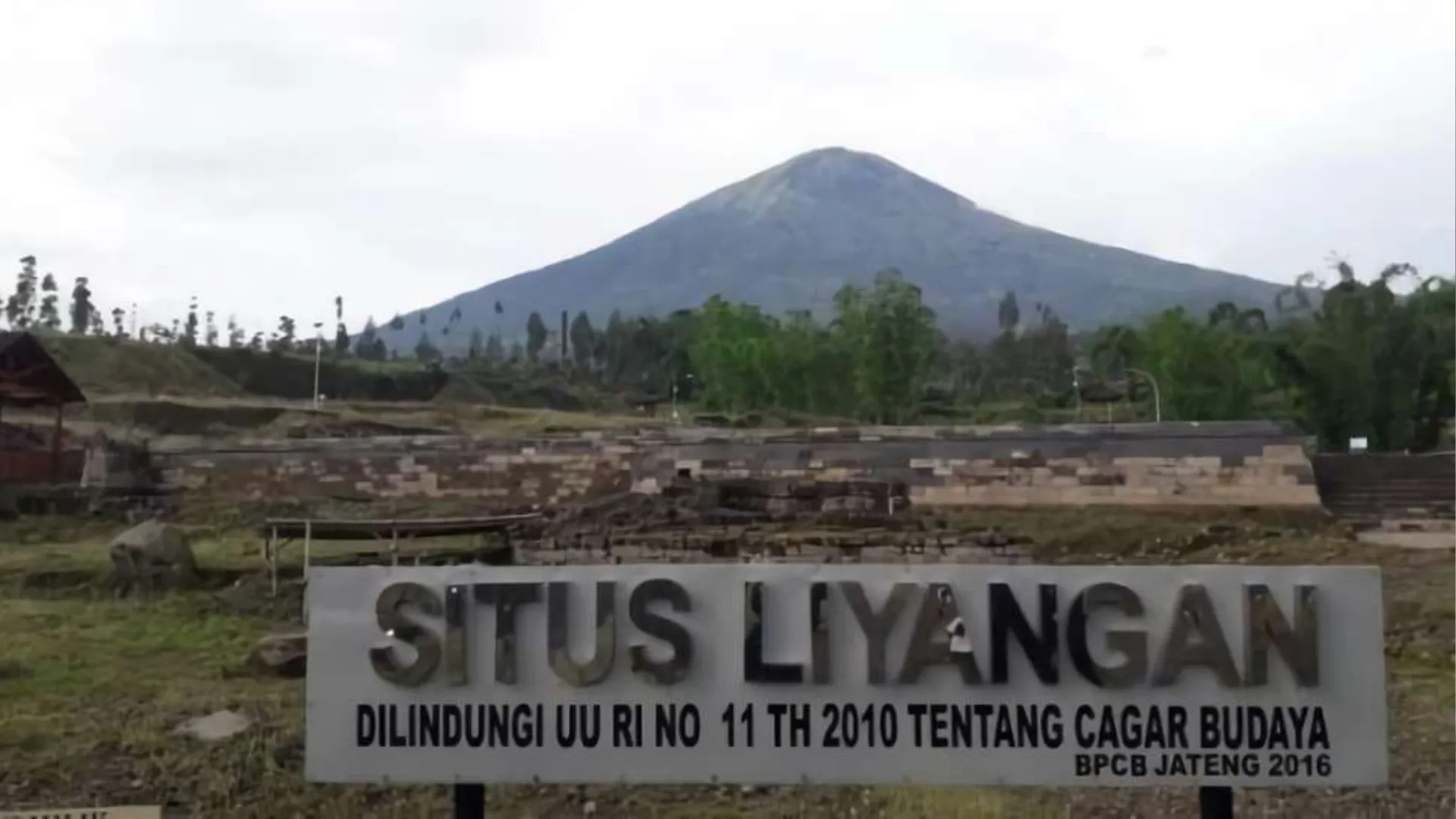
Liyangan, located on the eastern foothills of Mount Sindoro in Central Java, is one of the most significant archaeological discoveries in Indonesia. Excavations have revealed not just religious buildings, but also a full settlement: wooden houses, roads, water‐management systems, and evidence of metalworking. Radiocarbon dating places its occupation in the 8th–10th centuries CE, making Liyangan roughly contemporary with the Medang Kingdom. This article synthesizes data from primary field reports, radiocarbon analyses, and artifact studies to reconstruct daily life at Liyangan, its economic basis, religious practices, and dramatic destruction by a volcanic eruption.
Archaeological research in Java has often focused on temples, inscriptions, and elite monuments, leaving the daily lives of non-elite communities relatively underexplored. The Liyangan site, discovered in 2008 by chance during sand-mining operations in Dusun Liyangan (Purbosari, Ngadirejo, Temanggung), offers a rare and rich window into a past settlement that was both ordinary and sophisticated.
Unlike many sites that preserve only stone temples, Liyangan preserves organic remains—charred wooden structures, domestic vessels, and food remains—thanks to its rapid burial by volcanic material. Excavations by the Yogyakarta Archaeological Center, in collaboration with the Central Java Cultural Heritage Agency and the National Archaeological Research Center (Puslit Arkenas), have systematically documented this settlement, making Liyangan an exceptional case study for life in Java during the Medang period.
Radiocarbon (C-14) analyses of charred wood and charcoal from in situ contexts provide the primary chronological framework for Liyangan. The majority of samples yield dates between the 8th and 10th centuries CE, consistent with typological analysis of ceramics, stone structures, and religious architecture. This timeframe corresponds well with the era of the Medang Kingdom, suggesting that Liyangan was integrated into the broader cultural and political landscape of Central Java at that time.
1. Wooden Houses
One of Liyangan’s most remarkable features is the preservation of house foundations composed of wood. Traces of burnt beams, upright post-holes, and plank floors survive in a carbonized state. These remains enable archaeologists to identify the original layout of dwellings: rectangular plans, timber framing, and clear evidence of domestic occupation.
2. Circulation Paths
Stratigraphic and planimetric analysis has revealed pathways between houses, which may have served as pedestrian routes or access ways. These pathways reflect a planned settlement rather than a haphazard collection of huts.
3. Water System
Liyangan housed a sophisticated water-management system, including stone and earthen channels, storage tanks, and reservoirs. This network would have supported domestic needs (drinking, cooking), ritual practices, and possibly irrigation. The presence of such hydraulic infrastructure testifies to advanced engineering capacity among the inhabitants.
1. Hindu–Shiva Structures
Archaeologists have uncovered small religious buildings fashioned from andesite stone. Based on orientation, design, and sculptural fragments, these structures are interpreted as Hindu, specifically Shiva, in character. They reflect the religious affiliation of the settlement.
2. Yoni, Lingga, and Sculpture
A large yoni (female principle) has been discovered in situ, which suggests ritual worship of Shiva. Fragments of lingga (male principle) and small sculptural pieces further support this interpretation. These objects mirror iconographic styles seen in other Medang-period sites, such as those in Dieng or Kedu, indicating the inhabitants’ participation in well-established religious traditions.
1. Iron Metallurgy
Liyangan displays strong evidence of iron production. Excavations uncovered areas rich in slag (iron-waste), and thermally altered stones that likely served as furnace linings or hearth walls. Microscopic and chemical analyses demonstrate that local smelting and forging occurred on site.
2. Tools and Objects
While few finished metal tools were recovered, fragments suggest that the community produced utilitarian implements: agricultural tools, building hardware, and household items. The co-existence of smelting waste with domestic areas implies a settlement economy combining agriculture, craft, and trade.
1. Pottery and Domestic Vessels
Ceramic vessels found in dwellings include storage jars, cooking pots, and simple containers. Their shapes and decorative styles align with 8th–10th century typologies, confirming the dating. Some vessels were found in primary contexts, suggesting abrupt abandonment.
2. Food Remains
Small botanical remains, such as seeds and plant residues, indicate subsistence based on agriculture and possibly gardening. The fertility of the slopes of Mount Sindoro would have made the area well suited for growing crops. Traces of cooking, food storage, and related domestic activities were documented on household floors.
3. Social Patterns
The organization of dwellings, combined with shared infrastructure (roads, water tanks), suggests a socially cohesive community. The integration of religious buildings within the settlement underlines how spiritual life was embedded in daily living. Households were likely self-sufficient in food and craft, yet interconnected through ritual and economic networks.
The end of Liyangan likely came swiftly and violently. Stratigraphic sequences reveal a thick, uniform layer of volcanic material covering the entire settlement. This deposit contains:
The nature of the deposit suggests emplacement by pyroclastic flows or surges, probably associated with a major eruption of Mount Sindoro. The rapid burial preserved wooden structures, household goods, and even food remains in situ. This catastrophic event “froze” Liyangan in time, allowing modern archaeologists to reconstruct a remarkably intact snapshot of life in a medieval Javanese community.
1. Reconstruction of Non-Elite Life
Liyangan’s most profound contribution lies in its illumination of everyday life beyond royal courts and religious monuments. Unlike temple complexes, this settlement shows how ordinary people lived, worshipped, worked, and died.
2. Technological Insight
The water-management system and metalworking infrastructure testify to sophisticated technological knowledge. These systems illustrate that the community was not isolated or primitive, but technologically competent and reasonably well organized.
3. Environmental Interaction
The site also reveals how humans adapted to and suffered from their natural environment. Living on an active volcano’s slopes required both skill and risk; Liyangan’s destruction underscores how vulnerability and resilience coexisted.
4. Archaeological Preservation
Because Liyangan was buried so quickly, perishable materials like wood survived. Such preservation is rare in tropical climates, making Liyangan especially valuable for understanding the full material breadth of Javanese life.
Liyangan stands as a singular archaeological case: a fully functional, structurally organized settlement in Central Java that combined domestic life, religious practice, economic production, and hydraulic infrastructure—all preserved under volcanic deposits. Its radiocarbon age places it in the 8th–10th centuries CE, squarely within the era of the Medang Kingdom.
Its destruction by a volcanic event ironically becomes its greatest gift to modern science: a time-capsule preserving a way of life otherwise rarely documented. Through the study of Liyangan, we gain insight into commoners’ lives in early Java, their engineering skills, their economic systems, and their spiritual world.
Further research and publication of excavation reports, materials analysis, and landscape studies are essential to fully understand the social dynamics and regional role of Liyangan within Medang’s political and economic networks.
 3 months ago
 3 months ago
 3 months ago